Concrete disposal services remove broken slabs, blocks, brick, asphalt, and other heavy waste from homes and jobsites. The work often includes checking the material, safe loading, hauling, sorting, and proper disposal or recycling. This service helps homeowners, contractors, and property owners clear space without lifting dangerous debris alone.
Table of Contents
- What Are Concrete Disposal Services?
- How Does the Concrete Disposal Process Work?
- How Should Broken Concrete Be Prepared for Removal?
- What Safety Concerns Matter When Removing Concrete?
- Where Does Removed Concrete Go After Collection?
- How Much Do Concrete Disposal Services Cost?
- How Can You Choose the Right Concrete Disposal Service?
- Frequently Asked Questions
What Are Concrete Disposal Services?
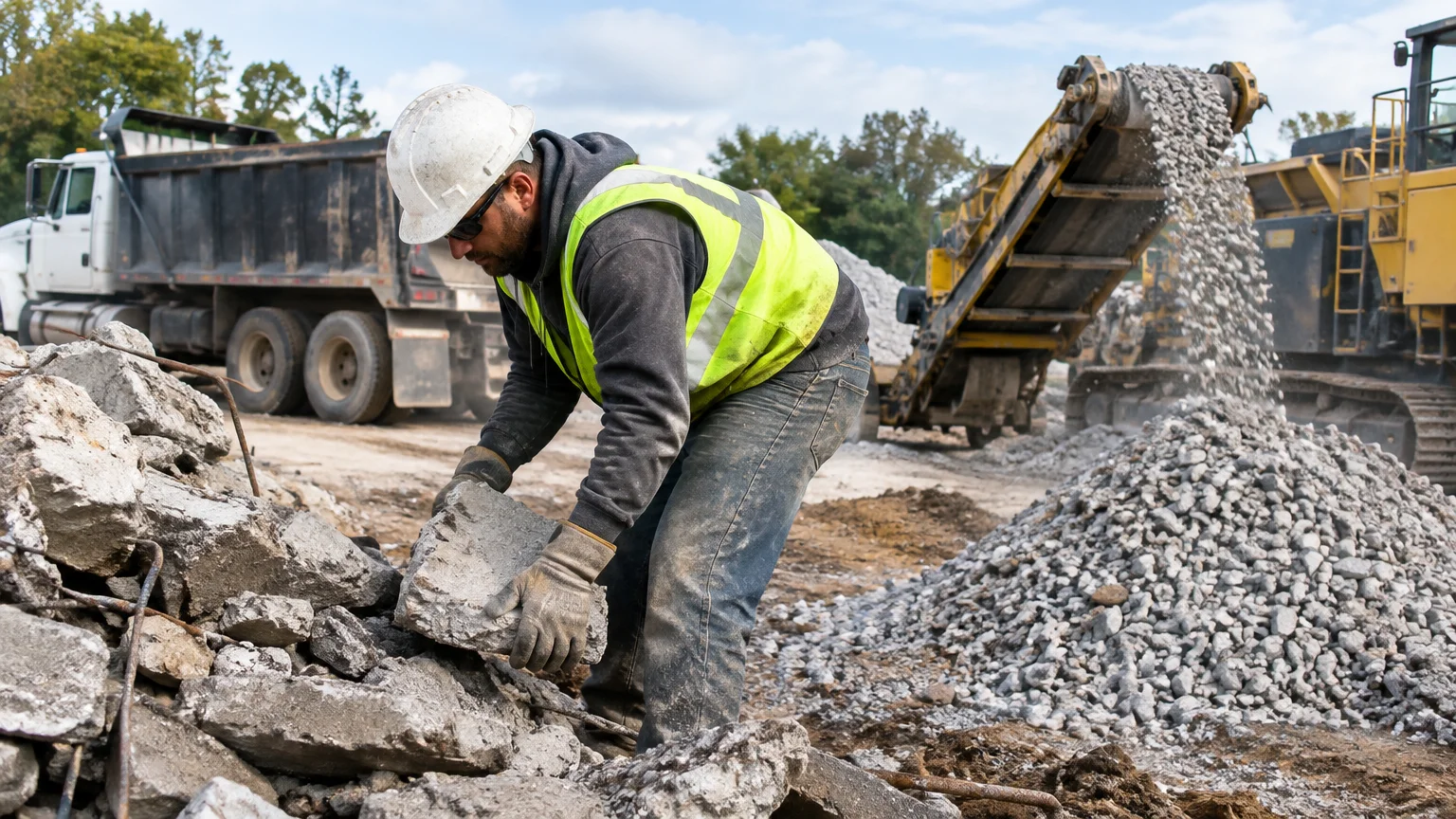
Concrete disposal services collect and move heavy concrete waste after repairs, building work, or demolition. They may remove broken sidewalks, driveways, patios, steps, blocks, pavers, brick, asphalt, and mixed masonry debris. The crew handles the hard work from the pickup spot to the proper disposal site.
Concrete is dense and hard to move by hand. Even a small pile can harm floors, lawns, walls, or vehicles when moved the wrong way. Professional junk removal services use the right tools and loading methods to lower these risks.
What types of concrete and masonry waste can be removed?
Most jobs include pieces of poured concrete, cinder blocks, bricks, stone, pavers, and asphalt. Some crews also take related building waste, such as untreated wood, drywall, metal, and soil. Accepted items depend on the provider, local rules, and the condition of the load.
Paint, chemicals, insulation, asbestos, and other controlled materials need separate handling. Homeowners should mention unusual items before setting a pickup time. This helps the provider decide what can travel together and what needs another plan.
Who typically needs concrete disposal after a project?
Homeowners may need removal after replacing a driveway, patio, walkway, retaining wall, or foundation feature. Contractors may need cleanup after demolition or remodeling. Property managers may also need hauling after tenant work, storm repairs, or commercial maintenance.
Hemet CA Junk Removal can help property owners understand which materials belong in one collection. This planning can help customers across Hemet, including Downtown Hemet and nearby communities. A clear description of the debris helps the crew plan the right tools and loading method.
How Does the Concrete Disposal Process Work?
The concrete disposal process starts with a review of the material, amount, location, and access route. The crew then prepares the debris, loads it with care, hauls it away, and sends it to a recycling or disposal site when possible. Each job depends on the site and the type of waste.
Customers should share photos or a clear description when asking about service. Helpful details include the pile size, truck distance, stairs, gates, narrow paths, and mixed materials. Good details help prevent delays during collection.
How is the debris assessed and prepared for removal?
The crew checks whether the material is loose, stacked, buried, or still attached to a structure. Large slabs may need to be broken into smaller pieces before loading. Workers also look for nails, rebar, wire, glass, and other hazards in the pile.
Concrete should not block doors, driveways, sidewalks, or emergency paths. If a slab still forms part of a wall, floor, or foundation, a qualified contractor may need to remove it first. Junk removal workers usually handle loose debris, not structural demolition.
What happens during loading, hauling, and disposal?
Workers use safe lifting methods and tools that match the load. Depending on the property, they may use hand tools, carts, dollies, bins, or machines. They load the material in a controlled way, protect nearby surfaces when needed, and check the area before leaving.
The load then goes to a facility that accepts the material. Reusable concrete may be crushed for aggregate or other approved uses. Mixed or dirty debris may follow another route. A responsible provider can explain the general plan without promising an outcome controlled by the receiving facility.
How Should Broken Concrete Be Prepared for Removal?
Homeowners and contractors can make removal safer by clearing a path and separating loose debris from other waste. They do not need to lift heavy pieces themselves. Simple preparation helps the crew work more safely and lowers the risk of property damage.
The work area should be clear of children, pets, loose tools, and trip hazards. Customers should point out sprinkler lines, soft ground, low branches, and other access problems. Clear directions matter when the pile is behind a gate or at the back of a property.
How can homeowners and contractors organize heavy debris safely?
Small loose pieces can be grouped in a stable pile on firm ground. Large pieces should not be stacked high or placed near a slope, wall, vehicle, or walkway. A tarp may hold small fragments, but it should not be used to drag a dangerous load across a yard.
Homeowners can remove light trash and clear an access path on their own. They should leave heavy lifting, breaking, and machine work to trained workers when pieces are large or unstable. Contractors should also confirm that demolition is complete before arranging construction debris removal.
What materials should be separated before pickup?
Concrete, brick, asphalt, metal, wood, drywall, cardboard, and general trash should be separated when practical. This can help sorting and lower the chance that one unsafe item affects the whole load. Sharp metal and glass should be placed aside and clearly marked.
Customers should not mix paint, fuel, solvents, batteries, or unknown containers with normal building waste. These items may need special disposal. When the crew knows about them early, the customer can get clearer guidance about the next step.
What Safety Concerns Matter When Removing Concrete?
Concrete removal involves heavy weight, sharp edges, dust, unstable piles, and hidden metal. The safest plan keeps people away from the work area and uses tools that fit the material. Workers should not rush a load because the debris appears small.
Broken concrete can move without warning. Rebar may stick out from slabs, and small pieces can cut skin or damage tires. Dust can also bother the eyes and lungs. Eye protection, gloves, sturdy shoes, and dust control may be needed during active removal.
How are lifting, sharp edges, and unstable piles managed?
Workers assess each piece before moving it. They use team lifting or equipment when one person cannot safely move a piece. Stable footing matters on slopes, wet ground, gravel, and damaged pavement.
Loose fragments should not be carried against the body. Sharp corners and exposed wire should be controlled before loading. If a pile leans, is buried, or rests against a structure, workers may change the plan instead of pulling it by force.
Why do access conditions and equipment affect the cleanup?
A narrow gate, long carry distance, stairs, soft soil, or overhead line can change how concrete reaches the truck. A large vehicle may not fit near the pile. Workers may then need smaller tools, extra handling, or another loading point.
Customers should describe access conditions before the appointment. In Hemet, conditions can differ between older homes, new builds, commercial sites, and rural properties. Hemet CA Junk Removal can review these details before the crew arrives, helping the pickup stay organized and safe.
Where Does Removed Concrete Go After Collection?
Removed concrete may go to a recycling facility, aggregate processor, transfer station, or approved disposal site. The destination depends on the material, contamination, local rules, and available outlets. Clean concrete is often easier to sort than concrete mixed with soil, drywall, wood, or trash.
Recycling does not mean every piece becomes a new sidewalk. Clean material may be crushed and used as a base or fill product. The exact use depends on the receiving facility and its rules. Customers should ask how the provider handles concrete without requiring a result the facility cannot confirm.
How is concrete sorted for recycling or reuse?
At the receiving site, workers may separate concrete from brick, asphalt, metal, wood, and general waste. Magnets or other tools can help remove some metal. Concrete with heavy contamination may need more work before it can be accepted for recycling.
Sorting at the property can help. It also helps the crew find items that should not enter a standard load. Clean, separate piles are easier to check than mixed heaps covered with loose trash.
What happens to concrete that cannot be recycled?
Concrete that cannot be recycled may go to a permitted site that accepts building debris. The receiving site decides whether the material meets its rules. Contaminated or controlled materials may need a separate disposal path.
Responsible hauling means more than moving debris out of sight. The provider should follow local disposal rules and avoid illegal dumping. Property owners can ask where the material is expected to go and whether the service accepts the full load.
How Much Do Concrete Disposal Services Cost?
The final cost of concrete disposal services depends on the amount, weight, access, labor, equipment, travel, material mix, and receiving-site rules. A small, loose pile near a truck is usually simpler than a large pile behind stairs or a narrow gate. The final cost is confirmed on a quote after the job details are reviewed.
Concrete jobs often differ from normal household junk removal because concrete is heavy and may need special handling. A small amount of light debris can be easier to move than a smaller-looking pile of dense masonry. Mixed building loads may also need more sorting than clean concrete.
What factors influence the overall cost of removal?
The main factors include the material amount, carry distance, and need for extra preparation. Stairs, soft ground, tight parking, and hard loading areas can add work. The debris type also matters when some materials need separate handling.
Customers should give accurate details and ask what the quote includes. They should also ask about limits for concrete, brick, asphalt, soil, and mixed debris. Clear information helps the provider give a more useful estimate before collection.
How does concrete disposal compare with other construction debris jobs?
Concrete and masonry are often harder to move than light cardboard, wood, or bagged household waste. Drywall and lumber may take more space, while concrete may create more weight in a smaller area. A mixed load can bring both challenges.
There is no single answer for every property. A contractor cleanup with easy truck access may be simpler than a small backyard pile reached by steps. A useful comparison considers weight, volume, labor, access, and disposal needs together.
How Can You Choose the Right Concrete Disposal Service?
A good concrete disposal service explains what it accepts, how pickup works, and which site conditions may affect the job. It should also provide clear scheduling details and confirm the final cost on a quote. The provider should be ready to answer questions before workers arrive.
Local knowledge can help with access, transfer stations, recycling options, and construction waste rules. Hemet CA Junk Removal serves local customers and can review the needs of a home, remodel, or jobsite cleanup. Customers in Hemet can use the same checklist when comparing providers.
What should you ask before scheduling construction debris removal?
Ask these questions before booking:
- Does the service accept broken concrete, brick, asphalt, and masonry?
- Can the crew handle material behind gates, stairs, or long paths?
- Should concrete be separated from wood, metal, drywall, or general trash?
- Are structural demolition, digging, or slab breaking included?
- Where does the material usually go after collection?
- What details are needed to confirm the quote?
The answers should match the actual job. Customers should not hide mixed waste or access limits to get a faster appointment. Honest details protect the property, the crew, and the cleanup plan.
Key takeaways for planning a safe, efficient concrete cleanup
- Concrete disposal services can remove broken slabs, brick, asphalt, blocks, and masonry debris.
- Homeowners can clear access, separate materials, and keep people away from the work zone.
- Heavy lifting, unstable piles, sharp edges, and structural removal need extra care.
- Clean concrete may be sorted for recycling, while mixed material may need another route.
- The final cost depends on weight, volume, access, labor, equipment, and disposal needs.
For a planned renovation cleanup or jobsite collection, Contact us to discuss the concrete, access conditions, and removal needs.
Frequently Asked Questions
Can concrete go in a regular dumpster?
Sometimes, but not every dumpster or waste program accepts concrete. Concrete is heavy, and containers can have weight or material limits. Customers should check the provider’s rules before loading it. Concrete disposal services can explain whether the debris needs a separate pickup or recycling route.
Should homeowners break concrete into smaller pieces?
Homeowners should only break concrete when they have the right tools, skill, and safety gear. Large pieces can shift, create dust, or expose wire and rebar. In many cases, it is safer to leave breaking and heavy handling to trained workers, especially near walls, utilities, slopes, or structures.
Can a junk removal company take brick and asphalt with concrete?
Many junk removal companies accept brick and asphalt, but load rules vary. Clean materials may be sorted together, while mixed debris may need extra handling. Customers should describe every material before pickup. This helps the provider plan the right equipment and confirm what the receiving site accepts.
Do concrete disposal services remove slabs from a driveway?
They may remove loose pieces after a contractor has broken or detached the slab. Removing an intact driveway can involve cutting, digging, utility checks, and structural planning. Those tasks may need a concrete contractor or demolition professional. Customers should confirm the service scope before scheduling removal.
What should a customer do with concrete dust and small pieces?
A customer can sweep small pieces from safe, stable surfaces and keep the area clear. Dust should not be blown toward people, vehicles, drains, or nearby property. Larger fragments should stay in a stable place until pickup. Workers can then collect the debris with methods suited to its weight and condition.
If you are not sure what you are dealing with, it is worth having someone look at it before it turns into a bigger job. Get in touch with Hemet CA Junk Removal today and we will tell you where you stand.