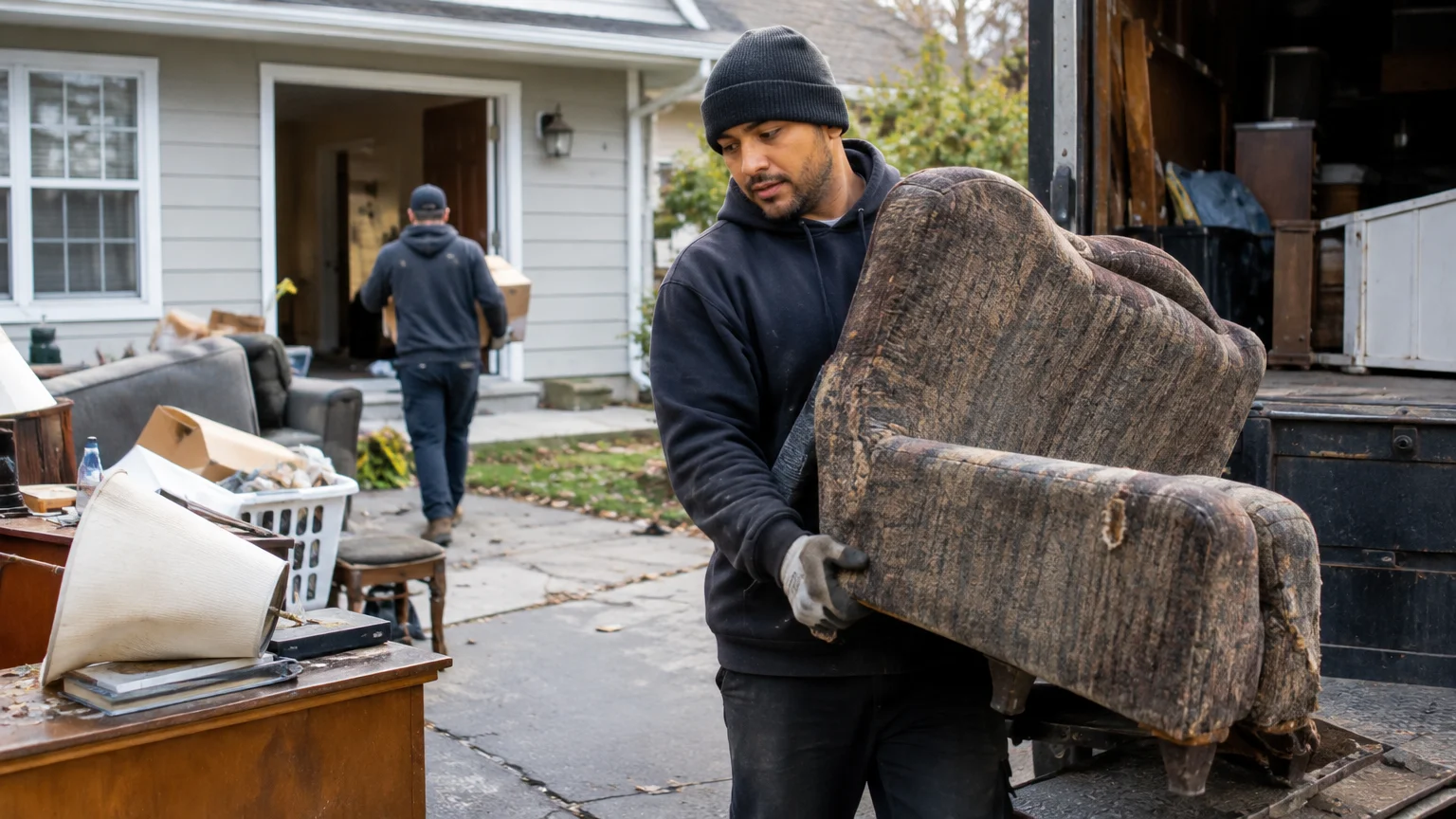
To prepare for a foreclosure cleanout, first confirm who controls the property, what must go, and when workers may enter. Then inspect each area, sort the contents, note hazards, and plan removal support. This clear process helps Hemet property owners avoid missed work, unsafe handling, and delays before sale or turnover.
What should you do before a foreclosure cleanout?
Start by confirming the cleanup plan before anyone enters the property. The owner, lender, property manager, or approved agent should know who may enter, what must stay, and when the cleanout must end. Written directions can prevent confusion when several people share the work.
How should ownership and access be confirmed?
The person managing the foreclosure should confirm keys, alarm codes, parking, gates, and utility access. Some homes have locked rooms, shared driveways, or limits on arrival times. One contact person can also answer questions when the crew finds an item or room that is not clear.
The property manager should confirm the cleanup duties as well. Some jobs need a full house cleanout. Other jobs require certain fixtures, appliances, papers, or personal items to remain. A written list helps protect items that belong with the home or need another person to handle them.
Hemet CA Junk Removal can help property owners review the plan before removal starts. The work may include a whole house cleanout, garage cleanout service, debris removal, or a smaller pickup for one room. The work plan should fit the home’s condition and the deadline.
What should be checked during the property inspection?
A careful walk-through can reveal hidden work. Check the basement, attic, garage, sheds, closets, and outdoor areas. Look for broken furniture, spoiled items, loose materials, damaged floors, blocked paths, and objects that may be hard to carry.
Take photos and notes before work begins. They show the property’s condition and help separate old damage from new damage. Note narrow stairs, weak floors, low ceilings, standing water, pest signs, and areas that should stay closed.
A homeowner or property manager can safely sort clear household items and label rooms. They can also move small loose items when no hazard is present. They should not enter unsafe spaces or handle unknown chemicals, needles, mold-covered items, or damaged electrical equipment.
What items should be removed from a foreclosed property?
A foreclosure cleanout may include household goods, yard waste, broken fixtures, appliances, old furniture, and building debris. The exact list depends on the written plan. Sort items before loading so reusable goods, trash, recycling, and special materials do not get mixed together.
How should household items and debris be sorted?
Use four groups: keep, remove, donate or reuse, and special handling. Mark anything that must stay in the home. This may include built-in fixtures, legal records, property papers, or equipment meant for the next owner.
Common removal items include mattresses, couches, tables, cabinets, clothing, boxes, toys, small appliances, and damaged electronics. Garages and attics may hold tools, tires, scrap wood, and stored goods. Basements may contain old shelves, wet boxes, and broken exercise equipment.
Do not leave old appliances at the curb without checking first. Refrigerators, freezers, air conditioners, and similar items may need special processing. A removal company can explain what it accepts and which items need another provider.
Hot tubs may need to be drained, disconnected, cut apart, and carried out in pieces. They can be hard to remove because of their size, weight, wiring, plumbing, and location. Do not cut wires or disconnect equipment unless the power is safely off and you have the right skills.
Which materials need special handling?
Some materials should never go with normal junk. These include paint, fuel, propane tanks, pesticides, unknown liquids, medical waste, ammunition, asbestos materials, and leaking batteries. Local rules may also cover tires, electronics, refrigerants, and construction debris.
Tell the cleanout crew about these items before arrival. Keep people away from leaks, sharp objects, unstable piles, and possible mold. If an item needs a specialist, pause that part of the work and arrange safe handling.
Hoarding conditions may also need a careful plan. Tight paths, heavy piles, odors, pests, and damaged surfaces can create safety risks. A respectful crew can work one room at a time while protecting private items and reducing stress.
How can you prevent delays during a foreclosure cleanout?
Most delays come from unclear access, missed decisions, blocked paths, or special materials. You can reduce these problems before the truck arrives. A short planning call, a site check, and a written list can make the job easier.
How should access, utilities, keys, and parking be planned?
The property manager should arrange keys, gate codes, alarm details, parking, and loading space. Workers need a safe path from each removal area to the truck. If the driveway is narrow or blocked, the plan may need another parking place or smaller equipment.
Check the utilities before work starts. Water, power, and lights help workers inspect rooms and carry items safely. If the utilities are off, tell the crew before arrival. The team can then plan for dark rooms, locked equipment, or areas that should not be entered.
Neighbors, tenants, agents, and contractors may also need notice. Clear timing can reduce problems at shared driveways and busy properties. It can also keep another contractor from using the only loading space during the cleanout.
What should happen when heavy items or hidden damage appear?
Heavy furniture, safes, hot tubs, appliances, and large piles need extra planning. Tell the crew about stairs, long walks, tight turns, weak floors, and outdoor obstacles. Do not drag items across finished floors unless the plan protects those surfaces.
Hidden damage may change the work order. Water damage, weak ceilings, pests, sharp debris, and exposed wires may require a pause. The property manager should decide who handles repairs and who handles removal. A junk removal crew can remove safe contents, but it should not do unsafe repair work.
Use this simple checklist before the crew arrives:
- Confirm who can approve removal decisions.
- Provide keys, codes, parking details, and loading directions.
- Mark every item that must remain at the property.
- Identify chemicals, appliances, sharp items, and other restricted materials.
- Share photos of tight spaces, large items, or damaged areas.
- Keep children, pets, tenants, and visitors away from work areas.
How do you get a foreclosed property ready for sale or turnover?
A property is ready for the next step when agreed items are gone, paths are clear, and rooms can be checked. Final work may include sweeping, light cleanup, debris removal, and a room-by-room review. The property manager should compare the finished space with the original list.
What should be checked after removal?
Walk through every room after loading ends. Check closets, cabinets, attics, basements, garages, sheds, patios, and side yards. Look for small piles, loose glass, nails, food waste, abandoned containers, and items marked to stay.
Sweeping removes loose dust and small debris, but it does not replace repairs or deep cleaning. Stains, odors, pests, mold, broken windows, damaged floors, and plumbing problems may need other workers. Keeping these tasks separate makes the property plan easier to follow.
The final check should confirm that doors and gates are secure. Leave lights, thermostats, and appliances in the condition the property manager requires. Photos after removal can record the result and help the next contractor or listing agent.
How can the right cleanout support be chosen?
The right service depends on the property’s size, item types, access, deadline, and disposal needs. Ask what the provider can remove and which materials need another specialist. The provider should also understand work in inherited homes, distressed properties, and hoarding situations.
Hemet CA Junk Removal serves Hemet and nearby communities with cleanout help for foreclosure homes and large removal jobs. Property owners can ask about house cleanout work, garage cleanout service, appliance removal, and debris hauling based on the site. Service areas may include Downtown Hemet, Valle Vista, San Jacinto, Homeland, Winchester, Idyllwild, and nearby communities.
A clear scope helps the property move toward sale or turnover without last-minute confusion. It gives owners, lenders, agents, and property managers the same view of what the cleanout includes. This planning style can also help teams comparing estate cleanouts, house cleanout faqs, or office cleanout faqs.
Key takeaways
- Confirm authority, access, utilities, parking, and cleanup duties first.
- Inspect every room and record damage before removal begins.
- Sort household items, debris, reusable goods, and restricted materials.
- Tell the crew about heavy items, tight spaces, appliances, and hazards.
- Finish with a room-by-room check, sweeping, and a secure property review.
Frequently Asked Questions
What is a foreclosure cleanout service?
A foreclosure cleanout service removes unwanted contents and debris after foreclosure or before a sale. The work may cover rooms, garages, attics, basements, sheds, and yards. The goal is to leave the property clear and safer to inspect before repair, listing, rental, or turnover.
Who offers garage, attic, and basement removal in one visit?
Some property cleanout companies handle several areas during one scheduled project. Describe each space, share photos, and point out stairs, narrow paths, heavy items, or unsafe materials. The provider can then confirm whether the full plan fits its equipment and services.
What happens to old appliances during a cleanout?
Old appliances are checked by type, condition, size, and handling needs. Some may be donated or recycled, while others need special processing because of refrigerants or electrical parts. Identify appliances before work starts and ask what the removal provider accepts.
Can a homeowner prepare for a foreclosure cleanout without professional help?
A homeowner or property manager can safely sort simple items, label rooms, take photos, and clear small loose objects. Professional help is useful for large volumes, heavy items, tight access, appliances, hot tubs, and debris hauling. Leave unknown chemicals, mold, unstable areas, and exposed wiring to qualified specialists.
Conclusion
A successful foreclosure cleanout starts with clear authority, safe access, and a careful property check. Sorting items early and sharing hazard details can prevent many delays. A final sweep and room-by-room review can help the property move toward sale or turnover.
Contact us to plan a foreclosure cleanout with Hemet CA Junk Removal.